The Ultimate Irish Wedding Day Timeline
(a Videographer's Perspective)
This is the timeline we wish every couple had before they sat down with their venue coordinator. It's written from the videographer's side of the day, the people filming you from your first coffee to your first dance, so it accounts for the things a planner might skip over. Natural light windows. Microphone setups. The fact that your grandad will want a quiet word during canapés.
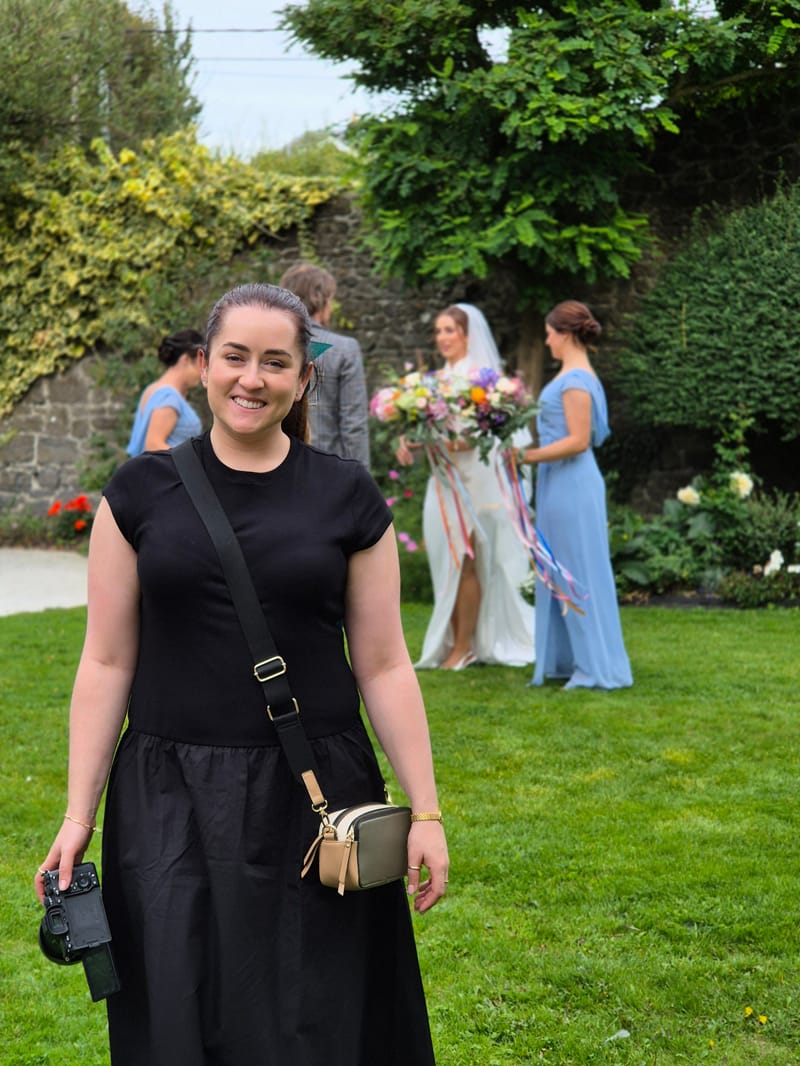
The videographers we recommend have filmed weddings in every corner of the country, from intimate humanist ceremonies in Wicklow to full-Mass weddings in rural Kerry, and between them they've watched a lot of timelines unfold… and falter. It all comes down to how the day was planned hour by hour, and where the buffer time was built in.
Treat it as a starting point, not a rule book. Every wedding is different, and the best day is the one that feels like yours. But if you're looking for a framework that actually works in an Irish context, this is the one they'd hand you.
Interactive planner
Build your wedding day timeline
Set your ceremony time, then fine-tune the details. The whole day rebuilds around your choices.
Your videographers usually spend 2 to 2½ hours with the bride and 1 to 1½ hours with the groom. The groom’s videographer is set up at the ceremony 30 minutes before it starts.
Add your date and we’ll work out sunset and the best 15 minutes for golden-hour portraits.
Your day at a glance
- Ceremony
- Dinner bell
- First dance
- Sunset
Every wedding is different. Use this as a framework to bring to your venue coordinator, then make it your own.
Next step
Now find the filmmaker to capture it
Match me with a videographerFour quick questions · under a minute
Use the planner above to build your own version. Put in your ceremony time and a few details about your day, and it applies everything in this guide to your wedding.
Why the Timeline Matters More Than You Think
Wedding days in Ireland run long. A church ceremony at 1pm followed by a band finishing at 1am is thirteen hours of documentation, and in that time you'll change outfits, locations, emotional gears, and sometimes counties. If the timeline is rushed in the morning, your videographer is still catching up at the drinks reception. If the speeches run over, the couple portraits get squeezed, and suddenly you're being filmed in harsh overhead light because the golden hour came and went while your uncle was telling a story about the stag.
The good news is that none of this needs to happen. A well-planned timeline gives your videographer and photographer the conditions they need to do their best work, and it gives you a day that feels calm rather than breathless. That feeling shows up in the final film. You can see it on your faces.
The Morning: Bridal Prep (roughly 8am to 11:30am for a 1pm ceremony)
Bridal prep is the longest single block of the day and the most commonly underestimated. Most brides allocate about two hours. Allow three and a half.
Here's why. Hair and makeup for a bridal party of five or six will take longer than you expect, especially if the stylist is travelling between rooms. Someone will forget their shoes. The dress will need adjusting. You'll want 30 quiet minutes with your mum and your bridesmaids before anyone picks up a camera. And then the videographer arrives. They're with you for two to two and a half hours before you leave, filming the details (dress, shoes, rings, invitations, perfume), capturing candid moments between you and your party, and filming the dress-on sequence, which is often the emotional heart of the morning footage.
Aim to have hair and makeup finished an hour and a half before you need to leave. That gives you half an hour of buffer for the small delays that always happen, half an hour to get into the dress without rushing, and half an hour of quiet before the car arrives. Dress-on is a one-take moment. Nobody can ask you to do it again.
Tip: The bride should never be last done. This is the single most common scheduling mistake videographers see. The bride, and the bridesmaid helping her into the dress, should be finished with hair and makeup before the rest of the bridal party. If the bride is still in the chair at 11:15am for a 1pm ceremony, the entire morning collapses. Get the bride in her dress early. That buffer time you think is excessive will get used. It ALWAYS gets used.
If you're getting ready at the venue, this becomes much easier. If you're travelling from home or a hotel, factor in driving time honestly, not optimistically, and remember that wedding morning traffic in Dublin or Galway can add 30 minutes to a normally short journey. The planner above asks how far you are from the ceremony for exactly this reason.
The Morning: Groom Prep (roughly 10:45am to 12:15pm)
Groom prep is shorter, and usually much more relaxed. The videographer is with the groomsmen for an hour to an hour and a half, which is enough time to film them getting dressed, the tie-tying moment, cufflinks and watches, and a few portraits outside. A pint together before the church is one of the most genuinely Irish moments of the day, and it almost always makes the final film.
The groomsmen leave early. They should be at the church door half an hour before the ceremony to greet guests as they arrive, and the groom's videographer travels ahead of them to be set up before anyone walks in.
If the two of you are preparing at different locations, a two-person team splits so that both get covered. This is the most common reason couples book a second videographer. A single person cannot be in Sandyford and Rathmines at the same time, and a good videographer will say so rather than promise both and deliver neither.
Tip: Get dressed before the pint. The pre-ceremony pint is a great shot, but have it with the suit on, not in the boxers. Full dress, tie straight, then a pint with the lads. That shot goes into almost every Irish wedding film.
The Quiet Half Hour Before the Ceremony
This is the time that gets lost. The bride finishes prep, and there's often a strange half hour of standing around before the car arrives. Resist the temptation to fill it with anything stressful. This is when you have your last five minutes alone before becoming a married person. It's when your dad sees you in the dress for the first time. It's when the ring bearer decides he doesn't want to do it after all.
On the filming side, this is when a two-person team goes different ways. The groom's videographer is at the ceremony venue at least 30 minutes before it starts. That half hour is non-negotiable, and here's what it covers: scouting camera angles, setting up tripods in positions that won't block guests, placing lapel microphones on the groom and the officiant, and testing the audio feed from the venue's PA if there is one. Rural churches can have difficult acoustics and poor mobile signal, so if the venue is off the beaten track, they'll often arrive 45 minutes early instead. The bride's videographer stays with you, films you leaving, and follows the car.
Tip: Tell your officiant a videographer is coming. A quick message from you to the priest or celebrant letting them know a videographer will be setting up in advance saves the videographer introducing themselves cold. Most are lovely about it, but a heads-up from the couple smooths everything.
In practical terms, the bride leaves so that she arrives about ten minutes before the ceremony starts. For a 1pm ceremony and a 20-minute drive, that's a 12:30pm departure.
The Ceremony (running time varies more than you think)
Ceremony length is one of the biggest variables in the day, and it affects everything downstream.
A church Mass will commonly run just over an hour. A church ceremony without Communion is closer to 45 minutes. Humanist ceremonies, which are now the most popular non-religious option in Ireland, usually run 30-35 minutes depending on readings and rituals like handfasting or sand pouring. Civil ceremonies at a registry office or approved venue are the shortest, usually around 25 minutes, and are mostly held on weekdays because registrars keep office hours. Our guide to getting married in Ireland explains the differences and the three-month notice.
Whatever you're having, ask your officiant for a realistic run time, then add 15 minutes. Guests arrive late. Readings run long. Music cues get missed. Build that in.
Tip: Brief your readers in advance. Ask your readers to rehearse aloud and time themselves. Nerves make people read slowly. A reading that looks like two minutes on paper often takes four on the day.
The Meet and Greet
Straight after the ceremony comes the meet and greet: the confetti line, hugs and congratulations at the door, and the slow drift towards the cars. This is some of the best footage of the whole day, and it cannot be rushed. How long it takes depends on how many guests you have:
- 60 guests: about 10 minutes
- 100 guests: about 15 minutes
- 150 guests: about 25 minutes
- 200 guests: about 35 minutes
- 260 guests: about 45 minutes
If you'd rather skip a formal meet and greet, still allow ten minutes for confetti and quick hellos. It always takes longer than you think.
If you're having your family photos at the church, this is when they happen, straight after the meet and greet while everyone is still together. Allow 20 minutes, and let your guests head on to the reception while you finish.
The Drinks Reception (90 minutes minimum, two hours ideal)
If videographers could change one thing about Irish wedding timelines, it would be the drinks reception. Ninety minutes is the absolute minimum, and two hours is where the day really breathes.
If you married at a church, your guests arrive at the reception while you're still doing the meet and greet, so they'll have a drink in hand by the time you walk in. During this window your videographer is filming the atmosphere, capturing guest reactions, doing family portraits alongside the photographer, and most importantly, taking the two of you away for your portraits. Couple portrait time is non-negotiable from the filming side. 20 to 30 minutes of just the two of you somewhere beautiful, away from the crowd, is where some of the most emotionally resonant footage of the entire film comes from. You'll also be grateful for the quiet. Couples say afterwards, almost without exception, that their portrait time felt like the first real breath of the day.
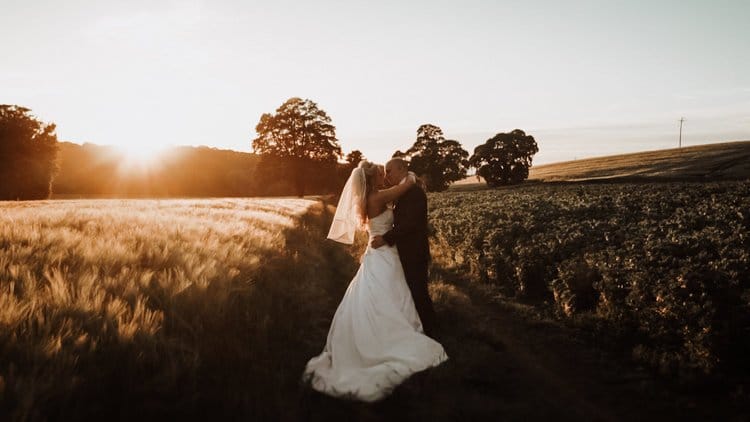
If your reception is in summer, check what time sunset falls on your wedding date and try to carve out 15 minutes of golden hour, even if it means stepping out of the meal briefly. A June or July sunset in Ireland falls close to 10pm, which puts golden hour at around 9:15pm, and it's often the best frame of the entire film. Add your date to the planner above and it works out sunset and golden hour for you. If the forecast turns, our wedding weather plan covers what to do.
Tip: Protect the two hours. The dinner bell rings at 5pm or 5:30pm whatever time your ceremony was, so a later ceremony doesn't push dinner back. It eats into your drinks reception instead. A 1pm ceremony gives you about two hours and forty minutes. A 3pm ceremony leaves about 40 minutes before a 5pm bell, which is why a 5:30pm bell or an earlier start is worth asking for.
Family Formals
Keep the family formal photo list short. Seriously. Lists of 30 combinations have eaten 90 minutes of reception time and left the couple visibly drained. Aim for ten to fifteen groupings, tell the photographer who's in each one, and ask a bridesmaid or a trusted uncle to be the wrangler who rounds people up. Your videographer will usually film a short "family welcome" moment during this block rather than recording every static combination.
You can do them at the church straight after the meet and greet, while everyone is together, or at the reception. At the reception, put them after your couple portraits: 20 minutes, then back to your guests.
Tip: Send the family photo list to the photographer a week before. And print a copy for the wrangler on the day. If people know they're being called, they stay close. If they don't, they wander off to the bar and you're left waiting for Uncle Declan while your drinks reception ticks away.
The Meal and Speeches (roughly 5pm to 8pm)
At almost every Irish venue the dinner bell rings at 5pm or 5:30pm, and it rarely moves. Guests take their seats first, and the two of you make your entrance about half an hour later, once everyone is settled. From there, the meal and speeches run for about two and a half hours. The big decision is when to do the speeches. Note that some venues charge extra for having your speeches before the main meal.
Speeches before the meal are increasingly popular, and worth considering. It gets the nerves out of the way, everyone is still fully attentive, and the speakers aren't fighting through wine fog. From an audio perspective it's also far cleaner, because there's less cutlery noise and less post-dinner chatter. If you'd rather follow tradition and do them after the main course, that works too, but ask your MC to keep things moving. Four speeches at five to seven minutes each is the sweet spot. Eight speeches at twelve minutes each is a film the editor has to work very hard on.
Lapel microphones matter here. Your videographer will put one on each speaker in advance if possible. If your venue has a poor in-house PA, tell them, because it changes how they record the room.
Tip: Brief your speakers on length. Five to seven minutes each. Tell them in writing. Funny tends to go long, emotional goes longer. If your best man has written something that takes him twelve minutes to read at home, it will take fifteen on the day, and the room will lose energy somewhere around minute nine.
First Dance and the Evening (9:30pm or 10pm)
The first dance lands at 9:30pm or 10pm at almost every Irish wedding, and it doesn't move with your ceremony time. The band starts setting up around 8:30pm, while tea and coffee are being served, and your first dance opens their first set. You don't really have a choice here. The band dictates the timing.
Tip: Ask your band when they need to arrive. Most wedding bands in Ireland set up from around 8:30pm and need about an hour to load in, set the stage and soundcheck. Confirm their load-in time when you book, so everything is set and checked before your first dance. Our guide to wedding bands and DJs covers the rest of the evening.
Videographer coverage typically wraps between 10.00pm and 10.30pm, after the first dance, the parents' dances if you're having them, and two or three songs with a full dance floor.
Most couples don't need filming until midnight. The footage from the final hours of a wedding is almost never used in the final film, and a videographer who is well-rested for their next wedding is worth more to everyone than a blurry dance floor at 2am.
Tip: Tell your videographer if there's a specific late-night moment. A surprise Irish trad session, a fireworks display, a midnight send-off. If you want it on film, most will stay. Just tell them in advance so they can plan their coverage.
A Sample Timeline for a 1pm Church Ceremony
This is a church ceremony without Communion, with the bride 20 minutes from the church, the groom 15 minutes away, a 10-minute drive to the reception, 150 guests, and speeches before the meal. Use the planner above to build one for your own day.
- 8:00am: Hair and makeup begins
- 10:00am: Bride's videographer arrives
- 10:45am: Groomsmen get ready; groom's videographer arrives
- 11:00am: Bride finished with hair and makeup
- 11:30am: Bride getting into dress
- 12:00pm: Quiet time before leaving
- 12:15pm: Groomsmen head to the church
- 12:30pm: Bride leaves for the church; cameras and mics set up at the church (30 min before start)
- 1:00pm: Ceremony begins (45 minutes)
- 1:45pm: Meet and greet (25 minutes for 150 guests)
- 2:10pm: Off to the reception
- 2:20pm: Drinks reception begins
- 2:35pm: Couple portraits (30 minutes)
- 3:20pm: Family formals (20 minutes)
- 3:40pm: Couple rejoins guests
- 5:00pm: Dinner bell for guests
- 5:30pm: Couple's entrance
- 5:35pm: Speeches (45 minutes total)
- 6:20pm: Starter served
- 7:35pm: Dessert and coffee
- 8:30pm: Band load-in and soundcheck
- 9:30pm: First dance
- 10:15pm: Videographer coverage ends after a few songs and a bit of dancing
- 1:00am: Last song
For a later ceremony, the morning shifts with it, but the dinner bell and the first dance stay where they are. What gives is the drinks reception, so if you're starting at 2:30pm or later, talk to your venue about a 5:30pm dinner bell.
The Five Things Videographers Wish Every Couple Knew
First, build buffer time into every block, not just the morning. Things run late. They always do. 15 minutes of buffer in three or four places is the difference between a calm day and a stressful one.
Second, appoint a point person who isn't you. Your MC, your planner, or a trusted sibling. Someone who knows the timeline and can answer questions from vendors without interrupting you. The groom should not be taking phone calls from the caterer.
Third, talk to your videographer before the day. Most will send a detailed questionnaire about your timeline, but a 20-minute phone call the week before catches the small things that get missed in writing. First dance song. Specific family dynamics. The fact that your father uses a wheelchair and needs a specific angle during the aisle entrance.
Fourth, plan backwards from the dinner bell. The two fixed points in an Irish wedding day are the dinner bell at 5pm or 5:30pm and the first dance at 9:30pm or 10pm. Neither moves for anyone. Everything you want between the ceremony and the meal, the meet and greet, the portraits, the family photos, an actual drink with your guests, has to fit in the gap between the two. So choose your ceremony time by counting back: a 1pm church ceremony leaves you about two hours and forty minutes of drinks reception, a 3pm one leaves you 40 minutes. If your heart is set on a later ceremony, ask the venue for the 5:30pm bell before you book anything else.
For the questions to ask each supplier as you book them, print our supplier questions checklist.
Fifth, trust the day. By the time the ceremony starts, the plan has done its job. The rest is just living it. Your videographer's job is to notice, to listen, and to hold the camera steady while you forget they're there.