The Irish Wedding Weather Plan: What to Do When It Rains
Somewhere between a third and a half of Irish wedding days see rain, depending on the month and the side of the country. That isn't a reason to worry. It's a reason to plan, because the weddings that go wrong in the rain are the ones where nobody had decided what would happen until it started.
This is the plan: what each supplier does when the sky opens, what to ask them beforehand, what to buy, and the two pieces of good news about Irish weather that couples never believe until they see the photographs.
The two pieces of good news
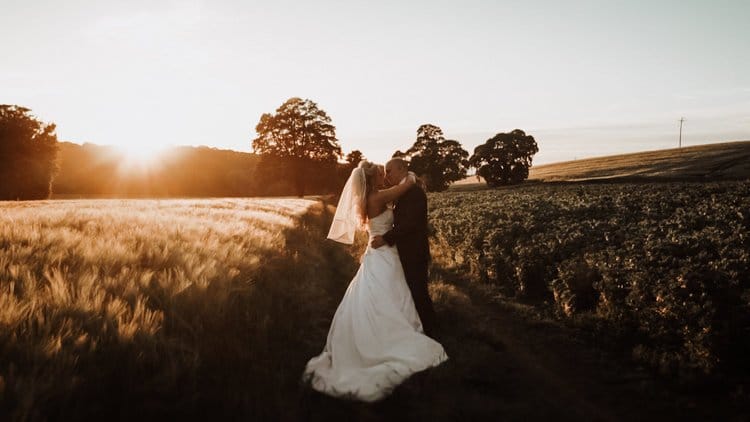
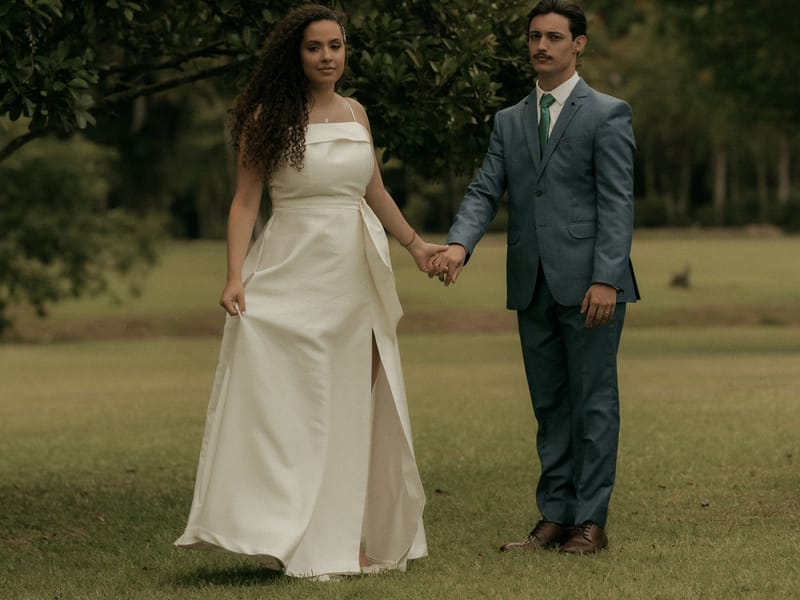
Overcast light is the best light. Photographers and videographers dread bright midday sun far more than cloud. Sun means squinting, harsh shadows under eyes, blown-out white dresses. A bright grey Irish sky is a giant softbox: even, flattering, no squinting. Most of the glowing outdoor portraits you've admired were shot under cloud.
It rarely rains all day. Irish weather moves. A shower passes in twenty minutes and leaves wet stone, dramatic skies and, often, a burst of low sun. The couples who get the best weather photographs are the ones who were ready to step outside for fifteen minutes when the gap came.
What a good venue does
- An indoor ceremony room on standby if your ceremony is planned outdoors, set up in parallel, not in a hurry at noon.
- A decision time. Ask when they need the call ("we'll decide by 11am"), and who makes it. Usually it's you, on the coordinator's advice.
- Covered space for the drinks reception: an orangery, a marquee with a hard floor and heating, a long portico.
- Umbrellas at the door. Many venues keep a stock; ask how many.
- Somewhere dry and beautiful for portraits: a staircase, a library, a window seat, a bar with character. Ask the coordinator where photographers go when it rains. They'll know.
A marquee wedding needs more: a hard floor (grass turns to mud under 150 pairs of shoes), heaters, and a plan for wind.
What a good photographer does
- Clear umbrellas. Two of them, for the two of you. Clear, not black, so your faces aren't in shadow. Many photographers bring their own; bring your own anyway.
- Covered outdoor spots. Doorways, arches, the portico, the car. Rain in the background and you in the dry is a classic frame.
- Window light indoors. A large window and a quiet room produce some of the best portraits of any wedding day, wet or dry.
- Rain at dusk. A flash behind you in the rain after dark makes every drop sparkle. Ask if they do it.
- A second portrait slot. If the drinks reception is a washout, a good photographer will ask for ten minutes later in the evening when the sky clears.
Ask to see a rainy wedding gallery. Not a sunny one with a single umbrella shot: a whole wedding where it rained. How they handled it tells you everything. Our photographer guide has the rest of the questions.
What a good videographer does
- Rain covers for cameras and no fuss about using them.
- Welcomes the cloud. Film looks beautiful in soft light; the colour grade does the rest.
- Grounds the drone, honestly. Drones don't fly in rain and most won't fly safely in wind above about 10 metres per second, which is a normal day on the coast. A videographer who promises aerials whatever the weather is promising something they can't deliver. Near airports (Dublin, Cork, Shannon, Kerry, Belfast) there are restrictions too.
- Finds movement indoors. Walking a corridor, descending a staircase, a slow turn in a window: video needs motion, not scenery.
- Protects the audio. Rain on a marquee roof or a glass orangery is loud. Lapel mics on the speakers and a feed from the PA keep vows and speeches clear; our guide to recording vows and speeches explains why it matters.
Ask to see a full film from a wet wedding. Our ten tips for picking a videographer covers what else to look for.
What to buy and bring
- Two clear umbrellas for the couple, and ten plain ones for the wedding party. Buy them in advance; the venue's stock is for guests.
- Wellies or flat shoes for the walk to the portrait spot. Change back for the photographs.
- A second pair of shoes for whoever is in heels.
- Towels in the car.
- A hair plan. Tell your stylist it may rain; they'll choose products and pins accordingly, and an updo survives weather better than loose waves.
- A waterproof layer for the dress hem, or acceptance. Hems get wet and muddy in Ireland. They can be cleaned, and the photographs are worth it.
Wind
Wind is the weather Irish weddings underestimate. It takes veils, confetti, marquee sides and drones. If you're marrying by the coast:
- A shorter veil, or a plan to remove it for the portraits.
- Dried petals rather than light paper confetti.
- A sheltered spot for the ceremony itself, even if the view is better in the open.
- Lapel mics with windjammers (the furry covers). Say the word "windjammer" to your videographer and watch them relax.
Heat
It happens: a handful of days most summers. Shade for the drinks reception, water at the ceremony, a plan for guests in suits, and a later ceremony time if you can. Photographers and videographers will want you out of direct sun between about noon and 4pm for portraits.
Build it into the timeline
The simplest weather insurance is time. Our wedding day timeline builds buffers into the morning, the drinks reception and the portrait session, and those buffers are exactly where a weather delay gets absorbed. A two-hour drinks reception survives a 20-minute shower. A 40-minute one doesn't.
If you're choosing a date, our seasons guide covers light and weather month by month. If you're planning an outdoor or clifftop ceremony, read the elopements guide for the plan-B rule: somewhere dry within 20 minutes.
The one-line version
Decide the plan B before the day, tell every supplier what it is and when you'll call it, buy the umbrellas, and then let it rain. Some of the best Irish wedding films and photographs were made on the wettest days.